
How A Lock Box is Helpful For Seniors
Emergencies rarely happen on a schedule, and in those moments, even simple obstacles can create unexpected delays. For many seniors, something as ordinary as a locked front door can become a barrier to timely help if they are unable to answer it themselves. Whether due to a fall, sudden illness, or limited mobility, reaching the door isn’t always possible when assistance is on the way. A lock box offers a simple, thoughtful way to help emergency responders access the home more easily, while also supporting everyday safety and peace of mind. It’s not about preparing for the worst, it’s about planning ahead with small, practical steps that can make stressful situations a little easier for seniors and their families.
The Challenge First Responders Face with Locked Doors
When a senior activates a medical alert or calls for emergency help but cannot get to the door, responders may be delayed from reaching them. While emergency personnel are trained to act quickly, locked doors can create practical barriers that add time and stress to an already urgent situation. Understanding these challenges helps explain why planning ahead for home access can be a helpful part of emergency preparedness.
Seniors may be unable to reach the door due to:
- Falls that limit their ability to stand or walk.
- Sudden illness, dizziness, or weakness.
- Mobility limitations that make moving quickly or climbing stairs difficult.
- Use of walkers, wheelchairs, or other assistive devices that slow movement.
Emergency personnel may need to:
- Wait for the fire department or additional support to arrive with tools to gain entry.
- Break down the door or force open a window to access the home.
Potential consequences of forced or delayed entry may include:
- Added response time before help can reach the senior.
- Damage to doors, locks, or windows that may require immediate repair.
- An unsecured home if the senior is transported to the hospital and no one is available to stay behind.
Why advance planning around access can be helpful:
- Making arrangements for safe home entry ahead of time can help reduce delays and confusion.
- It may also help minimize property damage and provide added peace of mind for both seniors and their families.
What a Lock Box Is and How It Works
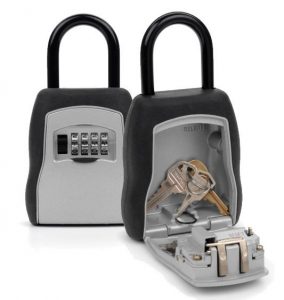
A lock box is a simple, secure way to store a spare house key outside the home so it can be accessed by authorized people when needed. It is commonly used in real estate and senior care settings as a practical solution for situations where someone inside the home may not be able to answer the door.
What is a lock box?
- A small, durable box designed to hold one or more house keys.
- It remains locked at all times unless opened with the correct combination.
- Most models use a four-digit combination for access.
Where a lock box can be placed:
- Hung on a front or side door handle.
- Mounted to a wall or railing in a discreet, out-of-the-way location.
- Placed somewhere that is easy for responders to find but not highly visible from the street.
How it’s used during an emergency:
- The homeowner or caregiver provides the lock box combination to the medical alert provider.
- When help is needed and the senior cannot answer the door, the provider can share the code with emergency responders.
- Responders use the code to open the lock box, retrieve the key, and enter the home without forcing entry.
This simple setup can help reduce delays and minimize property damage while keeping the home securely locked during everyday use.
How a Lock Box Can Be Helpful for Seniors
A lock box can be a thoughtful addition to a senior’s overall safety and preparedness plan. While it does not guarantee faster care, it is designed to support easier home access for authorized individuals when a senior is unable to answer the door. This small step can help reduce stress, delays, and property damage during unexpected situations.
Supports Faster Access for Authorized Responders
Helps reduce barriers when emergency help arrives and the door is locked.
- Allows responders to enter the home without waiting for forced entry tools.
- May reduce delays if the senior cannot get to the door due to a fall, illness, or weakness.
- Provides a clear, pre-planned way to access the home using a stored key.
May Help Reduce the Need for Forced Entry
Helps protect the home from unnecessary damage during emergencies.
- Reduces the likelihood of broken doors, damaged locks, or shattered windows.
- May help avoid urgent repair costs after an emergency.
- Can help prevent the home from being left unsecured if the senior is transported to the hospital.
Helpful for Seniors Who Live Alone
Adds a layer of preparedness when no one else is nearby to unlock the door.
- Provides a way for responders or caregivers to enter when the senior is unable to answer.
- May offer added reassurance for families who live far away.
- Helps address situations where neighbors or building staff are unavailable.
Helpful for Seniors with Mobility Limitations
Supports access when moving quickly or standing is difficult. Helps remove the pressure of trying to reach the door after a fall or injury.
Useful for seniors who use:
- Walkers
- Wheelchairs
- Canes
- Supports those who have difficulty climbing stairs or standing for long periods.
Helpful for Seniors with Chronic Health Conditions
Adds preparedness for situations involving sudden health changes.
- May support seniors managing conditions such as heart disease, diabetes, or respiratory issues.
- Helps address situations where dizziness, weakness, or shortness of breath limits movement.
- Offers added reassurance for those who are at higher risk of sudden medical events.
Adds Convenience for Caregivers and Home Health Aides
Makes planned and unplanned visits easier when a senior cannot get to the door.
- Allows authorized caregivers or aides to enter if the senior is resting, unwell, or unable to move.
- Reduces missed visits due to locked doors.
- Helps caregivers respond more quickly when checking in during concerning situations.
Provides Access for Trusted Family Members
Helps family members assist when urgent situations arise.
- Allows nearby relatives to enter the home if they are authorized to use the lock box.
- Helps avoid delays when a senior needs help but cannot reach the door or phone.
- Supports family involvement during emergencies or welfare checks.
Allows Doors to Remain Locked for Everyday Safety
Supports security without sacrificing emergency access.
- Eliminates the need to leave doors unlocked “just in case.”
- Helps seniors feel safer keeping their doors locked at all times.
- Maintains everyday home security while still allowing emergency access when needed.
Lock Boxes as a Companion to Medical Alert Systems
A lock box and a medical alert system serve different but complementary roles during an emergency. While the medical alert device helps a senior connect with assistance, a lock box can help responders physically access the home when the senior is unable to answer the door. Together, they can support a more coordinated and less stressful response.
How a Lock Box Complements a Medical Alert System
Each tool supports a different step in the emergency response process.
- A medical alert system allows a senior to press a button to connect with a trained care agent for help.
- The care agent can assess the situation and contact emergency services or designated contacts based on the senior’s preferences and information on file.
- A lock box can help emergency responders enter the home if the senior cannot get to the door.
- This pairing may help reduce delays and minimize the need for forced entry.
LifeFone’s Role in Using a Lock Box
LifeFone helps coordinate access information when a lock box is part of the safety plan.
- The lock box combination is stored securely on the subscriber’s account.
- The location of the lock box is also recorded so responders know where to find it.
- When an emergency occurs and help is needed, LifeFone’s care specialists can share the lock box code with emergency responders when appropriate.
- This helps responders retrieve the spare key and enter the home without breaking doors or windows.
A lock box is a simple, thoughtful addition to a senior’s overall safety and preparedness plan. While it is not a guarantee of faster care, it is designed to support easier home access when a senior is unable to answer the door during an emergency. By helping reduce delays, minimize property damage, and support everyday home security, a lock box can offer added reassurance for seniors, caregivers, and families alike. As part of a broader approach to planning ahead, it represents one small step that may help make unexpected situations a little easier to manage.
FREE BROCHURE Today!