
Benefits Of Medical Alert Systems
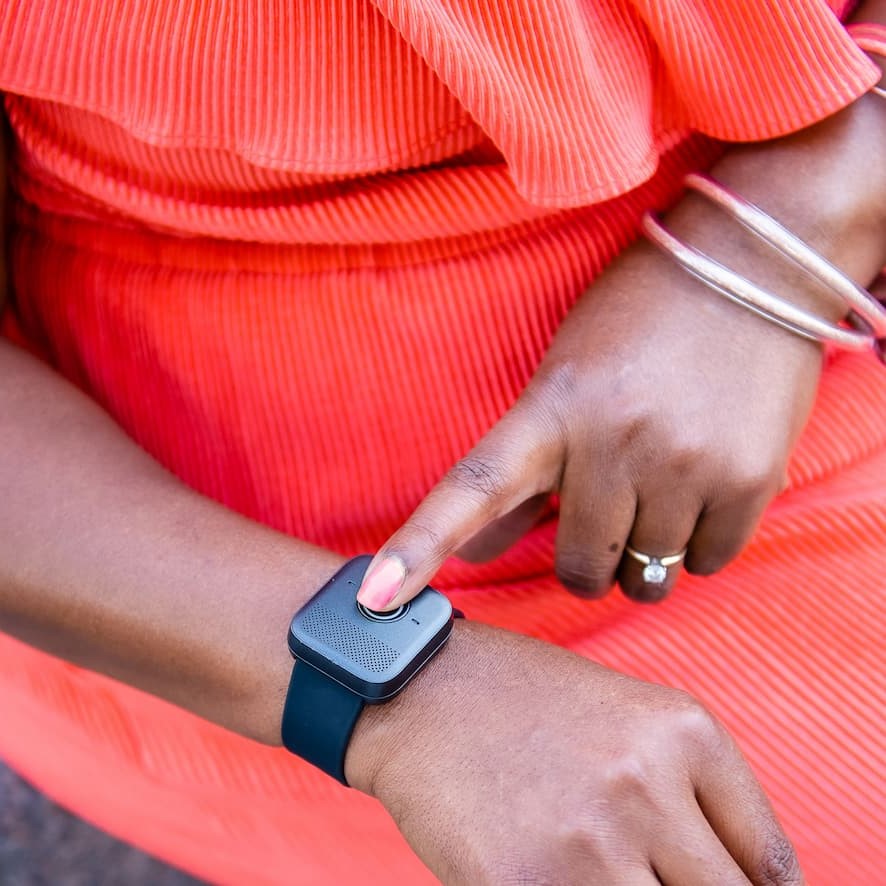
Staying safe shouldn’t mean giving up the comfort of home or the freedom to enjoy everyday life. Medical alert systems are designed to provide quick access to support when it’s needed, while helping seniors, caregivers, and people who work alone feel more confident in their routines. Today’s devices do more than respond to emergencies, they may include features like fall detection, daily check-ins, and location services that can offer added reassurance. With thoughtful technology that supports independence and connection, medical alert systems can help people live each day with greater peace of mind.
Quick Access to Help When It Matters
Having a simple, reliable way to reach assistance can make daily life feel more comfortable. Medical alert systems are designed to connect seniors, caregivers, and people who work alone with support quickly, helping them stay confident at home or on the go.
Easy Help at the Press of a Button
- A wearable help button connects users to trained support any time, day or night.
- Pendants, wristbands, or mobile devices keep assistance within reach around the home or outside.
- Two-way communication can help users explain what they need in the moment.
Support for Different Situations
- Designed to assist during health concerns, falls, accidents, or unexpected events.
- Helpful for seniors living alone, people with mobility challenges, or those working late hours.
- Can be useful during daily routines, errands, or outdoor activities.
Confidence for Everyday Living
- Knowing support is available may help users feel more comfortable staying independent.
- Caregivers can feel reassured that their loved one has a simple way to reach help.
- Quick access to assistance can support peace of mind for everyone involved.
Fall Detection for Added Safety
Falls can happen during everyday moments; getting out of bed, walking on uneven ground, or reaching for something on a shelf. Many modern medical alert systems include optional fall detection designed to add an extra layer of support for seniors, caregivers, and people who spend time alone.
How Fall Detection Works
- Built-in motion sensors look for sudden changes in movement and body position that may indicate a fall.
- If a fall is detected, the system can connect to trained support and notify emergency contacts or caregivers.
- Available on many home and mobile devices, helping users at home, outside, or during nighttime routines.
Why the Help Button Still Matters
- No fall detection technology can detect every fall or situation.
- Wearing the device and pressing the help button when able provides added protection.
- A simple button can connect users quickly during dizziness, chest discomfort, or any unexpected concern, not just falls.
Support Beyond Medical Emergencies
Today’s medical alert systems are designed to help in many everyday situations, not only during health emergencies. From staying active outside the home to managing daily routines, these systems can offer added reassurance for seniors, caregivers, and people who spend time alone at night.
Helpful for Different Needs
- Useful for people with mobility challenges, balance concerns, or chronic health conditions.
- Can support individuals who live alone or want added reassurance during nighttime routines.
- Helpful for people who work late shifts or in quieter environments where quick contact may be important.
Confidence During Daily Activities
- Mobile devices can provide access to support while running errands, visiting friends, or traveling locally.
- Helpful during outdoor walks, light exercise, or hobbies around the house or yard.
- Location services, when available, can help caregivers understand where a loved one may be if assistance is needed.
Support That Fits an Active Lifestyle
- Designed for seniors who enjoy staying independent and active.
- Can help people with epilepsy, heart conditions, or other health concerns feel more secure in daily life.
- Provides reassurance so users can focus on enjoying everyday moments, knowing help is within reach if needed.
Peace of Mind for Caregivers
When a loved one lives alone or manages health concerns, it’s natural for family members to worry. Medical alert systems are designed to keep caregivers informed in simple, respectful ways, so they can feel reassured while their loved one maintains independence.
Helpful Updates and Notifications
- Alerts can be sent to caregivers if a help button is pressed or a fall is detected.
- Optional notifications allow family members to check in without constant phone calls.
- Customized contact lists help ensure the right people are notified when needed.
Supportive Everyday Features
- Daily check-ins: Users can confirm they’re okay with a quick check-in through their base unit or device.
- Location services: When available, caregivers can view the general location of a mobile device if assistance is needed.
- Activity reminders: Gentle reminders for medication times, appointments, or routines can support daily habits.
Reassurance While Respecting Independence
- Caregivers can stay informed without interrupting daily life.
- Seniors can continue living at home or staying active with added confidence.
- Everyone involved may feel more at ease knowing support is available when it’s needed.
Encouraging Independence at Home and Outside
Many people hope to stay in their own homes and keep doing the things they enjoy for as long as possible. Medical alert systems are designed to support daily routines with added reassurance, helping seniors, caregivers, and people who work alone feel more confident wherever they are.
Comfort at Home
- Wearable help buttons keep support within reach in any room.
- Base units with clear speakers can make it easy to talk with responders.
- Helpful during nighttime routines, bathing, or moving around stairs and hallways.
Confidence on the Go
- Mobile systems can provide access to support while running errands, visiting friends, or traveling locally.
- Optional location services can help caregivers understand where a loved one may be if help is needed.
- Lightweight devices are designed to be easy to wear during walks or everyday activities.
Support for Many Lifestyles
- Helpful for seniors who want to live independently at home.
- Useful for people with disabilities, balance concerns, or chronic conditions.
- Can also support individuals who feel safer having quick access to help while working late or spending time alone.
Lifestyle Monitoring and Wellness Support
Many modern medical alert systems are designed to support everyday wellness, not by replacing medical care, but by helping users stay aware of daily habits. Small, thoughtful features can make routines easier and provide gentle reassurance for both users and caregivers.
Awareness of Daily Activity
- Some devices track steps or general movement to show activity levels over time.
- Basic health information, like heart rate trends, may be available on certain systems.
- Helps users notice changes in routines and stay mindful of their daily habits.
Helpful Everyday Reminders
- Gentle reminders for medications, appointments, or daily check-ins.
- Weather updates or alerts can help users plan safe outings.
- Activity reminders can encourage light movement throughout the day.
Not Just for Seniors
Medical alert systems have long been associated with older adults, but today’s technology is designed for many different lifestyles. These systems can support anyone who wants quick access to help and added reassurance during daily activities.
Helpful for Different Health Needs
- People with epilepsy, heart conditions, diabetes, or mobility challenges may benefit from having a simple way to reach assistance.
- Useful for those recovering from surgery or managing ongoing health concerns at home.
- Provides reassurance for individuals who spend time alone during the day or night.
Support for People Who Work Alone
- Helpful for caregivers, security staff, cleaners, drivers, or others working late hours.
- A wearable device can connect them to support if an accident or unexpected situation occurs.
- Location services, when available, can help responders understand where assistance may be needed.
Designed for Active Lifestyles
- Useful for adults who enjoy walking, hiking, gardening, or traveling locally.
- Mobile systems can provide access to help while running errands or spending time outdoors.
- Lightweight devices are designed to fit comfortably into everyday routines.
Medical alert systems are designed to support safety while helping people keep their independence and daily routines. From quick access to help and fall detection to caregiver updates and wellness features, today’s systems offer thoughtful tools that can provide reassurance at home and on the go. Whether for seniors, caregivers, or people who spend time alone, having support within reach may help everyone feel more confident and connected, so everyday life can be lived with greater comfort and peace of mind.
FREE BROCHURE Today!