
Three Tips For Long Distance Caregiving
Many families today support loved ones from a distance, balancing work, parenting, and daily responsibilities while caring for someone in another city or country. Long-distance caregiving can bring worries about health changes, safety, or loneliness, but thoughtful planning can help everyone feel more connected and reassured. The goal isn’t to manage every detail, it’s to create simple systems, clear communication routines, trusted local support, and helpful tools like medical alert systems so loved ones can stay independent while caregivers stay informed with greater peace of mind.
If your parents are content to age in place, have a talk with them about the idea of investing in a medical alert device. These personal medical devices are ideal whether they are aged and have suffered a trip or fall accident or whether they have some underlying medical condition such as high blood pressure, diabetes or heart disease. Having a medical alert system provides peace of mind knowing that should they fall or suffer a medical emergency that assistance is readily available at the push of the medical alert button. Having a talk with them about this may be a delicate subject, but it is one that can provide the entire family peace of mind.
Tip 1: Build a Structured Communication Plan
When caregivers live far away, regular communication becomes the most important part of support. A clear communication plan helps you notice small changes early and reduces constant worry.
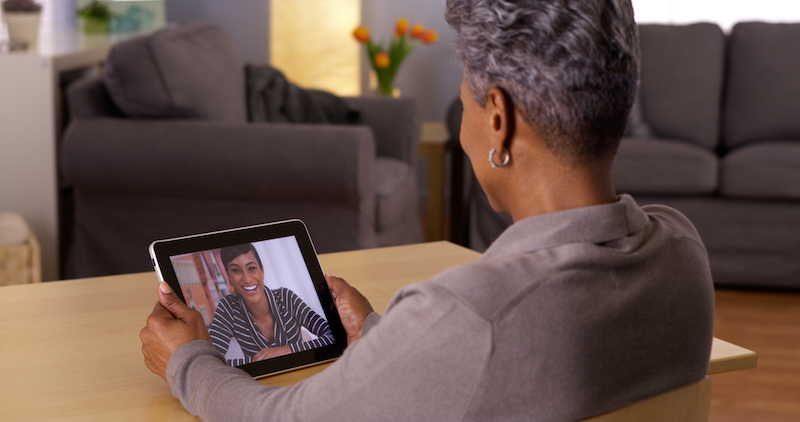
Create a Predictable Weekly Check-In Schedule
A consistent routine helps loved ones feel supported and gives caregivers a clear way to stay informed without constant worry.
- Choose fixed call times that match your loved one’s routine (for example, after breakfast on Wednesdays and early evening on Sundays).
- Add short daily texts or voice notes like “Good morning” to confirm everything feels normal.
- Schedule one video call each week or twice a month to notice changes in walking, mood, or home setup.
- Set calendar reminders on both phones so calls are not forgotten.
- Adjust schedules around doctor visits, travel, or holidays so communication stays steady.
Use a Gentle Conversation Checklist
During check-ins, it helps to ask caring, practical questions that reveal how daily life is going without making conversations feel stressful.
- “How has your sleep been the past few nights?”
- “Did you feel steady walking around the house or outside?”
- “Do you need help ordering groceries or picking up medicine?”
- “Are lights, plumbing, or appliances working properly?”
- “Is there anything that made you feel uneasy this week?”
Keep Emergency Information Organized and Easy to Find
When distance is involved, preparation helps everyone stay calm if something unexpected happens.
- A printed medication list with dosages and times.
- Contact numbers for neighbors, friends, or building staff.
- Doctor, pharmacy, and insurance contact details.
- Copies of ID, insurance cards, and allergy information.
- Address and directions to the nearest hospital.
Share Updates With Family Members
Long-distance caregiving is easier when responsibilities are shared among family members.
- Create a WhatsApp group or email thread for updates.
- Rotate weekly calls so no one feels overwhelmed.
- Assign small tasks like paying bills online or scheduling repairs.
- Share notes after doctor appointments.
- Hold a short family video call once a month to review needs.
Keep Emotional Connection Strong
Caregiving is not only about health updates, it’s also about helping loved ones feel valued and connected.
- Share photos from family gatherings or daily life.
- Watch a favorite TV show together while on the phone.
- Celebrate birthdays or holidays through video calls.
- Send handwritten letters, recipes, or small care packages.
- Ask about memories, hobbies, or childhood stories.
Tip 2: Build a Trusted Local Support Network
Even with strong communication, long-distance caregiving works best when someone nearby can help in person. A local support network provides reassurance and practical help.
Identify Nearby Helpers
A trusted local contact can make a big difference when you live far away. Start by creating a simple list of people who already know your loved one and live nearby.
- Ask your loved one who they trust to call in a small emergency.
- Introduce yourself to neighbors by phone or message so they know how to reach you.
- Check if building managers or security staff can be contacted if needed.
- Talk with members of their faith or community group who see them regularly.
- Note local shop owners or pharmacy staff who know their routine.
Create a Clear and Comfortable Support Plan
Once helpers are identified, it helps to gently organize what each person can realistically do.
- Ask one neighbor to check in once a week or after severe weather.
- Arrange grocery or pharmacy pickup on specific days.
- Ask someone to visit during power outages or extreme heat.
- Schedule help for heavy chores like changing bulbs or moving furniture.
- Send thank-you notes, small gifts, or kind messages to show appreciation.
Use Local Professional Services When Needed
Professional services can provide consistent support and reassurance for both caregivers and loved ones.
- Home care aides for bathing, meal prep, or mobility help.
- Visiting nurses for health monitoring or medication support.
- Meal delivery services for balanced, ready-to-eat meals.
- Transportation services for doctor visits or errands.
- Cleaning, lawn care, or maintenance help for safer living spaces.
Stay Connected With Healthcare Providers
Clear communication with doctors helps caregivers understand changes and plan ahead.
- Ask to join appointments by phone or video call.
- Keep a notebook of doctor instructions and medication changes.
- Confirm follow-up appointments and lab test dates.
- Keep pharmacy contact numbers saved in your phone.
- Ask providers how they prefer to share updates.
Plan Purposeful In-Person Visits
Visits are valuable chances to check on safety, organization, and emotional well-being.
- Check lighting, loose rugs, and stair railings.
- Review medications, expiration dates, and refill needs.
- Test smoke detectors and replace batteries.
- Organize important paperwork or bills together.
- Spend relaxed time talking, walking, or sharing meals.
Tip 3: Use Technology to Support Independence and Peace of Mind
Technology can make long-distance caregiving much easier when it is simple, respectful, and easy to use. The goal is not constant monitoring, it is helping loved ones stay independent while caregivers feel reassured that support is available when needed.
Use Medical Alert Systems for Daily Reassurance
Medical alert systems are one of the most helpful tools for long-distance caregiving because they allow loved ones to reach support quickly without needing a phone.
How to use LifeFone features effectively
- Choose a wearable pendant or wristband that your loved one feels comfortable wearing every day.
- Set up emergency contacts in the system so family members are notified if help is needed.
- Consider optional fall detection if your loved one has balance concerns.
- Use daily check-in services to confirm everything is okay each day.
- Enable location services for mobile devices so responders can find them if needed outside the home.
Add Simple Home Safety Technology
Small home devices can reduce risks without changing daily routines.
- Install automatic night lights in hallways, bathrooms, and stairs.
- Use smart doorbells so your loved one can see visitors before opening the door.
- Add temperature alerts to warn about extreme heat or cold.
- Use medication reminder boxes with alarms.
- Set up voice assistants for reminders like “Take medicine at 8 pm.”
Organize Care Information Digitally
When caregivers live far away, organized information saves time during emergencies or doctor visits.
- Create a shared Google Drive or document folder.
- Add medication lists with dosages and schedules.
- Scan insurance cards, ID, and allergy information.
- Keep doctor names, phone numbers, and appointment notes in one place.
- Update the folder every few months after checkups or changes.
Use Technology to Stay Emotionally Connected
Technology is not only for safety, it also helps loved ones feel close and included.
- Share photos from family events or daily life.
- Watch a favorite TV show together while on the phone.
- Celebrate birthdays or holidays through video calls.
- Send voice messages instead of only text messages.
- Help grandchildren call or video chat regularly.
Review Technology Together Regularly
Technology works best when it is tested and understood.
- Test the medical alert help button together.
- Update emergency contacts if numbers change.
- Replace batteries in devices when needed.
- Practice using voice assistants or reminder systems.
- Ask your loved one if any device feels confusing or uncomfortable.
Long-distance caregiving may feel challenging at first, but thoughtful planning can make it manageable and meaningful. Building a structured communication plan, creating a trusted local support network, and using supportive tools like LifeFone medical alert systems can help caregivers stay connected and, even from far away. Distance does not reduce care or love. With patience, organization, and steady connection, families can help their loved ones stay independent, safe, and reassured every day, no matter how many miles are between them.
If your parents are tech savvy, offer to purchase an easy to operate computer where they can go online and look at photos you have posted of the family and to have weekly Skype calls as a way to keep in touch.
Long distance caregiving is more challenging than if you live close by, but with planning and preparation it can be done.
FREE BROCHURE Today!