
How Fall Detection Works
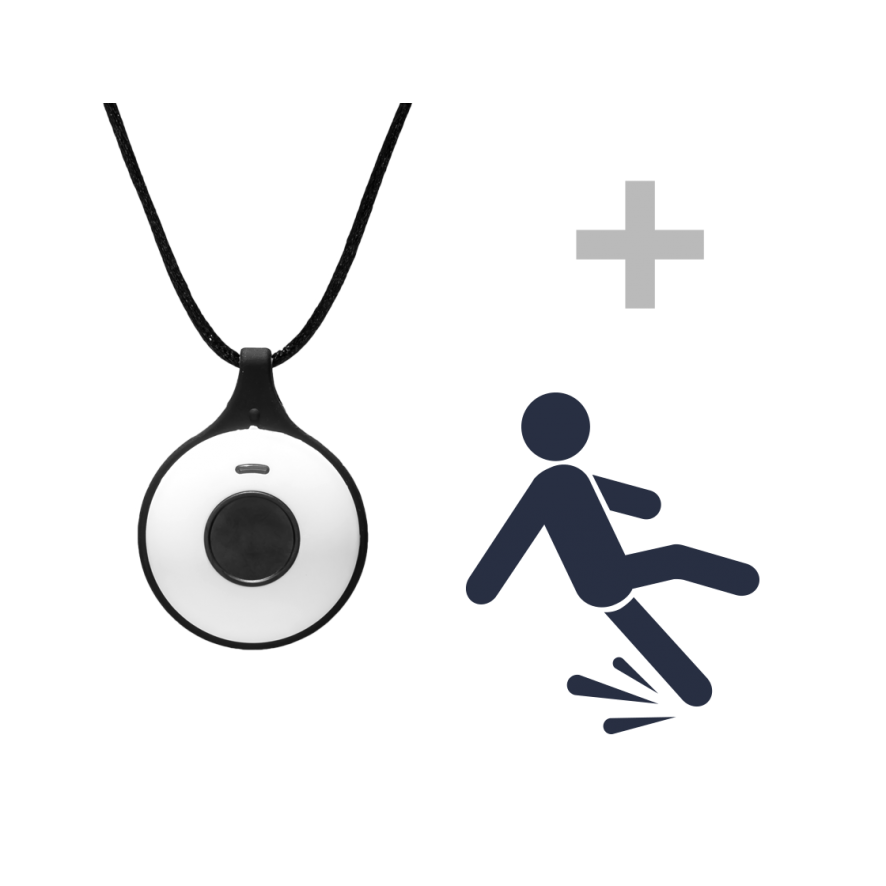
A fall can happen in seconds, but the ability to get help afterward can make a meaningful difference. That is why fall detection has become an important feature within some medical alert systems, helping support a faster connection to assistance when someone may not be able to call for help on their own. For older adults, caregivers, and families, understanding how fall detection works can bring more clarity to what this feature is designed to do in everyday life. LifeFone is one example of a medical alert provider that offers fall detection as part of its approach to independent living support and everyday peace of mind.
What is Fall Detection?
Fall detection is a feature available on some medical alert systems that is designed to recognize motion patterns that may suggest a fall has occurred. It is meant to provide added support during urgent moments, especially when a person may be injured, shaken, or unable to press the help button right away. In LifeFone’s case, fall detection is offered as an optional feature on certain systems.
What Fall Detection Is Designed to Do
- Detect sudden movement, a rapid change in position, and impact that may indicate a fall.
- Add support in situations where reaching a phone or pressing a button may be difficult.
- Help create a faster path to assistance during an unexpected event.
- Work as part of a broader medical alert system, not as a stand-alone solution.
What This Can Look Like in Real Life
- A person slips in the bathroom and cannot get up quickly.
- Someone falls getting out of bed at night and feels too disoriented to respond right away.
- A loss of balance in the kitchen leads to a fall and makes it hard to reach nearby help.
- An older adult living alone needs support during a moment when immediate movement is difficult.
An Important Point to Keep in Mind
- Fall detection is intended to add another layer of support.
- It can be especially helpful when a person cannot easily call for help on their own.
- It is best understood as part of a larger emergency response setup, rather than a replacement for overall safety planning.
How Fall Detection Works
Fall detection generally works through built-in sensors inside the device that track motion, position changes, and impact. In simple terms, the device is looking for a movement pattern that seems more like a real fall than a normal action such as sitting down, bending, or lying back.
Step 1: A Sudden Movement or Drop
The process usually begins when the device senses a quick downward motion or a sharp, unusual shift in movement.
- This may happen during a slip in the bathroom, a trip on a rug, or a sudden loss of balance while walking.
- The motion is usually faster and less controlled than ordinary daily movement.
- The device is designed to notice when the body drops or changes direction in a way that does not follow a normal routine.
Step 2: A Strong Change in Position or Impact
After that first movement, the device looks for a second pattern, usually a forceful change in position or impact.
- For example, falling to the floor creates a different motion pattern than lowering into a chair or leaning onto a bed.
- The device is not reacting to movement alone, but to the combination of sudden motion and what appears to be impact.
- That combination helps the system decide whether the event may have been a fall.
Step 3: Device Response Based on That Pattern
If the detected pattern closely matches what the system identifies as a possible fall, the device responds by triggering the alert process.
- This can allow the medical alert system to begin connecting the person to help.
- The response is especially important in situations where the person may be hurt, disoriented, or unable to press the help button right away.
- The device is responding to the movement pattern it has detected, not making a medical judgment about the severity of the event.
What Happens After a Fall May Be Detected
When LifeFone’s fall detection feature identifies a movement pattern that may indicate a fall, it can automatically send an alarm to LifeFone’s Emergency Response Center. The purpose is to begin the response process quickly, especially in a moment when the person may be unable to press the help button right away.
- The Fall Detection Pendant identifies a motion pattern that may be consistent with a fall.
- An alarm is then sent to LifeFone’s Emergency Response Center.
- That alert becomes part of LifeFone’s monitored response process, helping start contact with assistance more quickly.
The feature is especially useful in situations where the person may be hurt, confused, or unable to move well enough to press for help immediately.
Why Fall Detection May Be Especially Useful in Certain Everyday Situations
Fall detection is often most relevant for people who may not be able to call for help easily after a fall. In these situations, the challenge is often not only the fall itself, but what happens in the next few minutes if the person is hurt, disoriented, or unable to move safely.
An Older Adult Living Alone
A person who lives alone may move through the day independently, but a fall can become more serious when no one else is in the house.
- An older adult slips while stepping out of the shower and lands hard on the bathroom floor.
- Their hip, wrist, or back may hurt enough that standing up right away does not feel safe.
- A phone may be in another room, and there may be no one nearby to hear them call out.
Someone With Balance or Mobility Concerns
For a person who already feels unsteady, even routine movement can sometimes lead to a fall that is harder to recover from.
- A person with knee weakness or arthritis loses balance while walking from the bedroom to the kitchen.
- They fall beside the bed or in the hallway and feel too shaken to try standing right away.
- Even if they are conscious and aware, bending, reaching, or crawling toward a phone may not be realistic.
A Person With a History of Falls
Someone who has fallen before may already know that the most difficult part can be what happens after hitting the ground.
- A person falls while turning too quickly in the kitchen and lands near the counter.
- They may feel pain, dizziness, or fear about making the injury worse by trying to get up too quickly.
- Reaching a help button or nearby device may not be easy if they are stuck in an awkward position.
Someone Alone for Part of the Day
Even when a person does not live alone, there may still be long stretches when no one else is nearby.
- A family caregiver goes to work in the morning, leaving an older parent alone until late afternoon.
- During that time, the person falls getting out of a chair or loses balance in the laundry room.
- A family member may not know anything has happened until the next check-in or visit.
A Nighttime Fall
Falls during the night can be especially disorienting because the person may be half asleep, in pain, and not fully aware of what happened.
- Someone gets out of bed to use the bathroom and falls before fully regaining balance.
- The room is dark, glasses may not be on, and the person may be too confused to think clearly in the moment.
- A phone on the nightstand may no longer be within reach once they are on the floor.
Fall Detection Is Helpful
Fall detection can be a valuable feature, but it is important to understand it realistically. It is designed to recognize many falls based on motion, position, and impact patterns, but it may not detect every fall in every situation. It is also possible for certain non-fall movements to trigger a response from time to time.
Why It May Not Detect Every Fall
Not all falls happen in the same way, and some may not match the pattern the device is designed to recognize.
- A slow slide from a chair to the floor may not look the same as a sudden hard fall.
- A person may collapse in a way that creates less impact than expected.
- A fall onto a soft surface, such as a bed or cushioned chair, may be harder for the system to identify.
- Some movements after the fall may affect how the event is interpreted.
Why a Non-Fall Movement May Sometimes Trigger a Response
Devices are designed to react to movement patterns that appear unusual or forceful, and in some cases that pattern may resemble a fall even when it is not one.
- Dropping suddenly into a chair may create a similar motion pattern.
- A quick, forceful body movement may be misread as impact.
- Abrupt changes in position may sometimes trigger the alert process.
- This can happen because the device is responding to motion, not “seeing” the situation the way a person would.
Understanding how fall detection works can help families see it for what it is: a practical feature designed to add support during moments when reaching help may be difficult. While it is not a guarantee and should not replace broader safety planning, it can play an important role in helping older adults and their families feel more prepared for unexpected falls.
LifeFone offers fall detection as part of its broader medical alert support for everyday safety and peace of mind.
FREE BROCHURE Today!