
Get The Most From Your Medical Alert Service
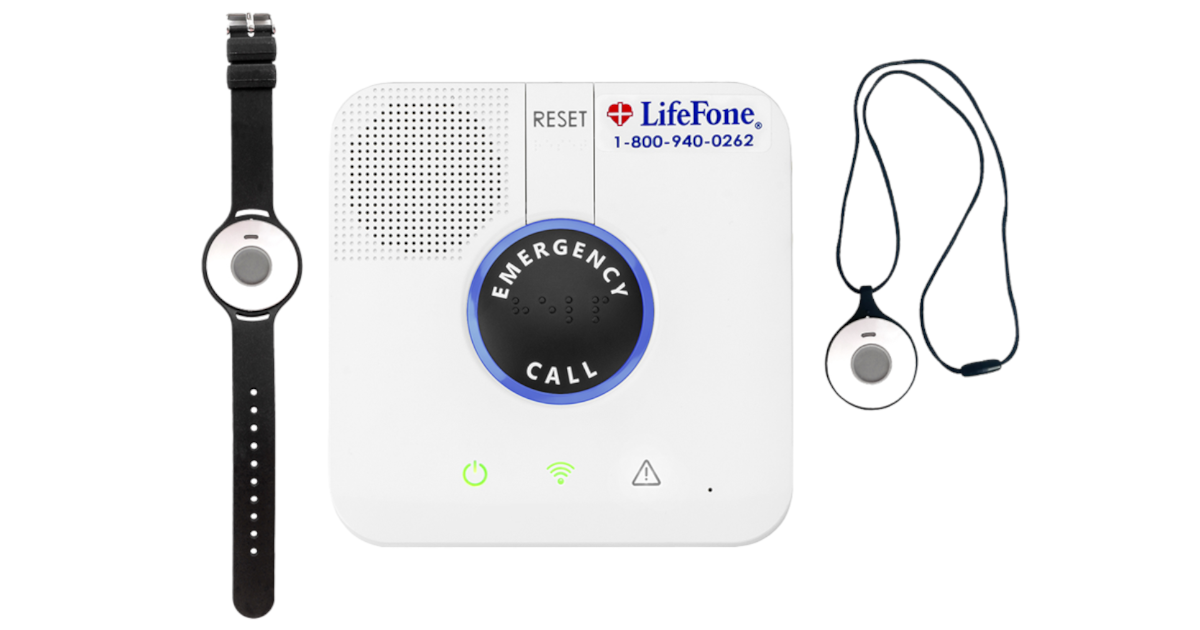
A medical alert service can offer meaningful support, but its value often depends on how well it fits into everyday life. From proper setup and consistent use to understanding the features that matter most, small details can shape how reliable and helpful the service feels over time. For many older adults and families, getting the most from a medical alert service is less about having it and more about using it in a way that truly supports daily routine, safety, and peace of mind.
Start With Proper Setup
A medical alert service usually works best when it is set up correctly from the start. Even a strong system can be less reliable if the device is not activated properly, not charged as needed, or not fully understood by the person using it. Early setup often shapes how dependable the service feels in everyday life.
Set Up the Equipment Correctly
- Confirm that the system has been activated and is fully connected.
- Follow setup instructions carefully for the base unit, pendant, wristband, or mobile device.
- Make sure the device is being used in the right way for the type of system selected.
- Check that the person knows where the equipment belongs and how it should be worn or carried.
Build Good Charging Habits if Needed
- Charge the device on a regular schedule instead of waiting until the battery is low.
- Keep the charger in a consistent and easy-to-reach place.
- Make sure the person knows when the device should be put back on after charging.
- Treat charging as part of the routine, just like medications or meals.
Understand How the Device Works
- Know how to press the help button and what happens after it is pressed.
- Understand how fall detection works, if that feature is included.
- Learn any important details about range, coverage, or charging.
- Make sure the person using the system feels comfortable with the device before it is ever needed.
Why Proper Setup Matters Early
- A device that is not ready to use may not help when it is needed most.
- Confusion about charging, wearing, or button use can reduce day-to-day reliability.
- Good setup makes the system easier to trust and use consistently.
- A strong start often leads to better long-term use.
Make Sure the Device Is Worn or Kept Nearby
A medical alert service is most useful when the device is actually within reach during daily life. Owning the system is only part of the picture. If it is left on a bedside table, charging in another room, or taken off for long periods, it may not be available when help is needed most.
Make Daily Use Part of the Routine
- Wear it or keep it nearby from morning through bedtime, based on the type of system.
- Put it on as part of the morning routine rather than only when something feels wrong.
- Keep it close during quiet parts of the day, such as resting, showering, or moving around the house.
- Treat it as part of daily support, not something to reach for only after a problem starts.
Avoid Common Gaps in Use
- Leaving it on the kitchen counter while going to the bathroom or bedroom.
- Taking it off during the day and forgetting to put it back on.
- Letting a mobile unit sit on the charger longer than necessary.
- Going outside, into the yard, or to another floor without it.
Think About Real-Life Situations
- A fall may happen while getting out of bed, not while sitting beside the phone.
- Dizziness may start in the bathroom, not in the room where the charger is.
- A person may need help in the yard, hallway, or laundry room, far from where the device was left.
- The system works best when it is already on the person or within easy reach before something happens.
Why Consistency Matters
- A strong system is less useful if it is not available in the moment it is needed.
- Daily habits often determine whether the service can do its job.
- Wearing or keeping the device close is one of the simplest ways to get more value from the service.
- Consistent use helps turn the system into real support rather than just something the person owns.
Understand When and How to Use It
A medical alert service is easier to rely on when the person using it, along with close family members, understands exactly when and how it should be used. The help button is not only for the most extreme emergencies. It can also be important in urgent situations where the person feels unsafe, unsteady, suddenly unwell, or unable to manage the moment alone.
Know When to Press the Button
The device should be used when quick assistance may be needed, not only in a worst-case situation.
- After a fall, even if the person is not sure how badly they are hurt.
- During sudden dizziness, weakness, chest discomfort, or shortness of breath.
- When getting up from the floor, bed, or bathroom does not feel safe without help.
- In situations where the person feels confused, disoriented, or unable to reach a phone.
Understand That It Is Not Only for Major Emergencies
Some of the most useful moments are the ones that feel urgent, even if they are not dramatic.
- A person may need help after slipping but before trying to stand.
- Someone may feel too weak to walk safely across the room.
- A sudden health episode may make it hard to think clearly or move normally.
- Quick support can matter even before the situation becomes more serious.
Know How Fall Detection Fits In
If the system includes fall detection, it helps to understand what that feature is meant to do.
- Fall detection may automatically respond when the device senses a motion pattern that suggests a fall.
- It can be especially useful if the person is hurt or unable to press the button right away.
- It should still be understood as added support, not a replacement for pressing the button when possible.
- The user and family should know whether fall detection is included and how it works within the overall service.
Make Sure Everyone Understands the Basics
The person using the system should know how to activate help quickly.
- Family members should understand what kinds of situations the service is meant for.
- Everyone should know that the system is there for real-time support, not only for extreme emergencies.
- Clear understanding often makes the service easier to use with confidence.
Keep Emergency Information Up to Date
A medical alert service works best when the information connected to it is current. Emergency contacts, medication details, and response instructions may need to be updated from time to time, especially after health changes, new prescriptions, or changes in who should be contacted first. If that information is outdated, the service may be less useful in an urgent moment.
What to Review Regularly
- Check that emergency contact names and phone numbers are still correct.
- Update medication information if prescriptions have changed.
- Review any important medical details or response instructions on file.
- Make sure the right family member, caregiver, or neighbor is listed if roles have changed.
When Updates May Be Needed
- After a hospitalization, new diagnosis, or change in treatment.
- When a medication is added, removed, or adjusted.
- If a family member moves, changes phone numbers, or is no longer the main contact.
- When the person’s routine, health needs, or support system changes.
How a Service Like LifeFone Fits Into Everyday Use
Getting the most from a medical alert service often comes down to using the available support in the way it was designed to be used. With a company like LifeFone, that may mean choosing the right type of coverage for daily routine, whether that is an at-home system or a mobile system for use both at home and on the go. It can also mean making full use of features that match real-life needs, such as optional fall detection, GPS/location support on certain mobile devices, and 24/7 monitored response through LifeFone’s Emergency Response Center.
What That Can Look Like in Daily Life
Wearing the device consistently instead of leaving it on a table or charger.
- Using an at-home system if support is mainly needed around the house.
- Using a mobile LifeFone system if the person also goes on walks, errands, or appointments.
- Understanding that optional fall detection is there as added support, while still pressing the help button when possible.
- Keeping family involved when caregiver-connected tools are part of the setup.
Getting the most from a medical alert service often depends on more than simply having the device. Proper setup, consistent daily use, clear understanding of how the service works, and keeping important information up to date can all make the support feel more reliable and useful over time.
LifeFone offers medical alert support designed to work as part of everyday routine, not only during emergencies.
FREE BROCHURE Today!