
Fall Prevention Tips for Older Adults
Falls are a common concern for many older adults, but many can be prevented with small, thoughtful changes in daily routines and home safety. Gentle movement, supportive footwear, good lighting, and simple tools like medical alert systems can help seniors stay steady and confident while maintaining their independence. By paying attention to balance, surroundings, and health changes, families and caregivers can work together to create safer habits that support comfort, mobility, and peace of mind every day.
Strengthen Balance and Mobility Through Daily Movement
Strong muscles and flexible joints help seniors stay steady while walking, turning, or standing up. Balance exercises don’t need special equipment.
Simple Balance Exercises to Practice at Home
Practicing short balance exercises a few times a day can help improve steadiness over time. Always use a wall, chair, or counter for support.
- Stand behind a sturdy chair and lift one foot for a few seconds, then switch sides.
- Walk heel-to-toe along a hallway wall, keeping one hand close for support.
- Sit and stand slowly from a chair 5–10 times, using armrests if needed.
- Stretch ankles and calves gently to improve flexibility.
- Do light side leg lifts while holding a kitchen counter.
- Practice gentle shoulder rolls to improve posture.
Add Movement Into Everyday Activities
Small movements throughout the day can support balance without needing a workout routine. Consistency is more important than intensity.
Practical ways to stay active include:
- Walk around the house during TV commercials or phone calls.
- Stretch arms and legs after waking up or before bed.
- Take short outdoor walks with a family member or neighbor.
- Carry light groceries in two balanced bags instead of one heavy bag.
- Do simple chair exercises like leg lifts while sitting.
- Stand up and move around every hour when sitting for long periods.
Make the Home Environment Safer
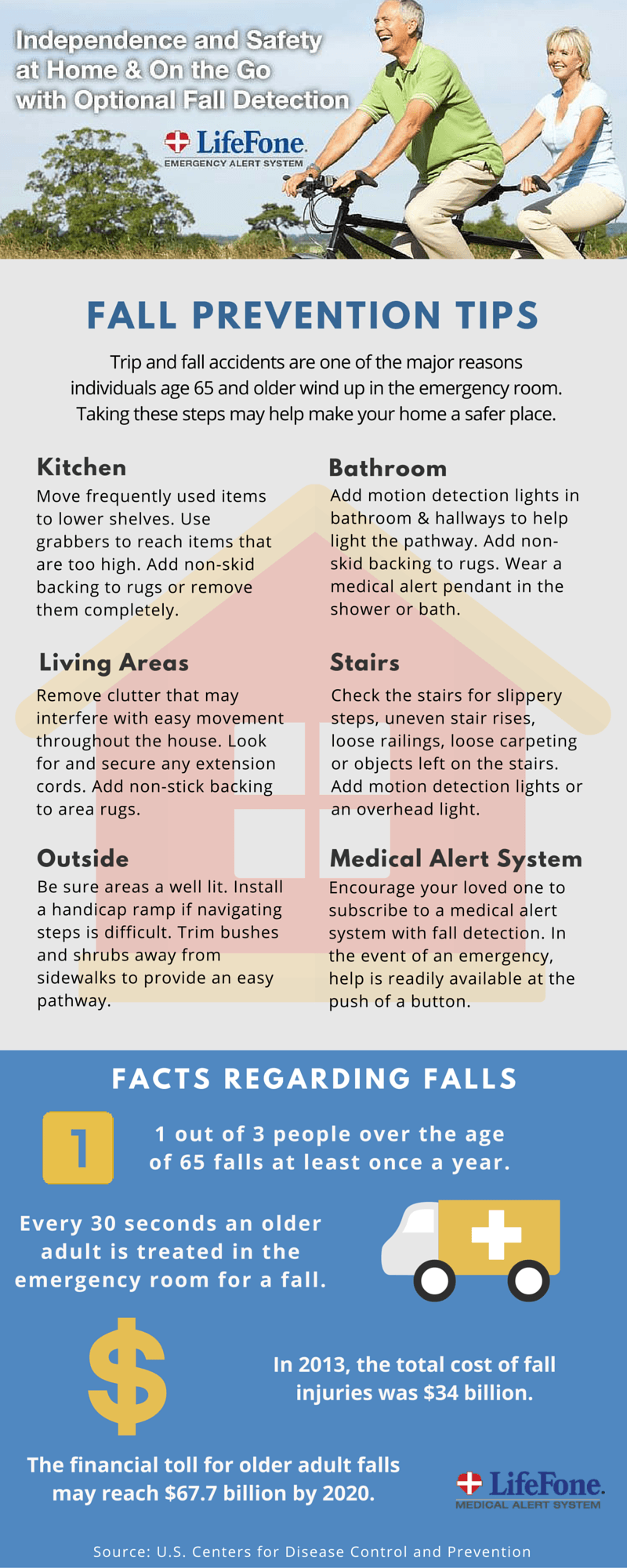
Many falls happen inside the home during everyday activities like walking to the bathroom, reaching for items, or getting up at night. Small changes in lighting, layout, and safety features can make rooms easier to move through and help seniors feel more confident in their daily routines.
Improve Lighting and Visibility
Good lighting helps seniors see steps, edges, and obstacles clearly, especially at night or in dim rooms.
Practical steps include:
- Place night lights in bedrooms, bathrooms, hallways, and near stairs.
- Use bright bulbs in stairways, entrances, kitchens, and closets.
- Keep a flashlight near the bed in case of power outages.
- Install light switches near doorways so rooms can be lit before entering.
- Clean eyeglasses regularly and update prescriptions when needed.
- Use motion-sensor lights in hallways or entryways if possible.
Remove Tripping Hazards
Clutter and uneven surfaces are common causes of falls. Keeping walking paths clear can make a big difference.
Helpful steps include:
- Remove loose rugs or secure them with non-slip tape.
- Keep electrical cords and cables away from walkways.
- Arrange furniture to allow wide, clear walking paths.
- Clean spills immediately to prevent slipping.
- Keep frequently used items within easy reach to avoid climbing.
- Avoid leaving shoes, bags, or small objects on the floor.
Add Supportive Safety Features
Support features can help seniors feel steadier and more confident in key areas like bathrooms and stairs.
Helpful additions include:
- Install grab bars near toilets and inside showers or tubs.
- Use non-slip mats in bathrooms and kitchens.
- Add sturdy railings on both sides of stairs.
- Consider raised toilet seats if standing is difficult.
- Place sturdy chairs in rooms for resting if needed.
- Keep frequently used items on lower shelves to avoid stretching.
Wear Safe and Supportive Footwear
The shoes seniors wear every day can make a big difference in balance and stability. Choosing comfortable, supportive footwear helps seniors walk more confidently inside and outside the home.
Choose Proper Walking Shoes
Good walking shoes provide grip, support, and comfort for daily movement.
Helpful tips include:
- Choose shoes with non-slip rubber soles to reduce slipping on tiles or smooth floors.
- Wear closed-back shoes that stay firmly on the foot instead of loose slippers.
- Look for low heels and firm arch support to keep feet steady.
- Make sure shoes fit properly without sliding or rubbing.
- Replace worn-out shoes when soles become smooth or uneven.
- Use lightweight shoes that are easy to put on and remove.
Avoid Slipping Indoors
Many falls happen indoors when seniors walk barefoot or in loose footwear. Simple habits can help reduce this risk.
Practical steps include:
- Avoid walking barefoot on tile, marble, or wooden floors.
- Use non-slip socks if shoes are uncomfortable indoors.
- Keep safe slippers or shoes near the bed for nighttime use.
- Dry floors quickly after cleaning or spills.
- Avoid oversized sandals or loose slippers that slide off easily.
- Keep entryways dry during rainy weather.
Use Assistive Tools When Needed
Assistive tools are designed to support safety while helping seniors stay independent. Using a cane, walker, or medical alert system doesn’t limit activity, it can make daily movement feel steadier and give both seniors and caregivers greater peace of mind.
Using Walking Aids Correctly
Walking aids can provide balance and support when recommended by a healthcare professional. Proper use helps them work effectively.
Helpful steps include:
- Use a cane or walker recommended by a doctor or therapist so it fits your needs.
- Adjust the height so your arm bends slightly while holding the handle.
- Check rubber tips regularly and replace them if worn or slippery.
- Practice walking indoors first to feel comfortable turning and stopping.
- Keep walking aids nearby when getting up from chairs or beds.
- Use the aid every time it’s needed, even for short distances.
How Medical Alert Systems Add Reassurance
Medical alert systems are designed to provide quick access to help if needed. They support independence while helping caregivers feel reassured.
Helpful ways to use them include:
- Wear a LifeFone pendant or wristband daily, including at night.
- Consider optional fall detection features if balance is a concern.
- Place help buttons in key areas like bathrooms or bedrooms.
- Test the system regularly to make sure it works properly.
- Keep emergency contacts updated with current phone numbers.
- Let caregivers know when the system is being worn during outings.
Stay Aware of Health Changes
Changes in health can affect balance, strength, and alertness without warning. Paying attention to small changes and talking with healthcare providers when needed, can help prevent falls and keep daily movement more comfortable.
Review Medications and Vision Regularly
Some medicines or vision changes can affect coordination and steadiness. Regular check-ins help catch problems early.
Helpful steps include:
- Ask healthcare providers if any medications may cause dizziness, sleepiness, or low blood pressure.
- Keep an updated list of all medications, including vitamins and supplements.
- Schedule regular eye exams and update prescriptions when needed.
- Wear the correct glasses for reading, walking, or distance vision.
- Avoid sudden standing after sitting or lying down, pause first, then stand slowly.
- Let family or caregivers know if you feel dizzy or lightheaded.
Maintain Healthy Daily Habits
Everyday habits like hydration, nutrition, and rest can affect balance and strength. Small changes in routine can make a big difference.
Helpful habits include:
- Drink water regularly throughout the day, especially in warm weather.
- Eat balanced meals that include protein, fruits, vegetables, and whole grains.
- Rest when feeling tired instead of rushing tasks.
- Move slowly when getting up from beds or chairs.
- Use walking aids if recommended during periods of weakness.
- Ask for help with heavy lifting or difficult chores.
Plan Safe Outdoor Movement
Staying active outdoors is important for strength, mood, and social connection but planning ahead helps make outings safer and more comfortable.
Safe Walking Habits
Good walking habits help prevent slips and reduce stress during outings.
Helpful steps include:
- Walk during daylight hours when sidewalks and steps are clearly visible.
- Choose flat, familiar paths such as parks, indoor malls, or quiet neighborhood streets.
- Carry a mobile phone or LifeFone device in case assistance is needed.
- Walk with a friend, family member, or neighbor whenever possible.
- Wear bright or reflective clothing if walking early morning or evening.
- Take breaks on benches if feeling tired.
Seasonal Safety Tips
Weather conditions can increase fall risk, so adjusting plans during different seasons is important.
Helpful precautions include:
- Avoid walking on icy, wet, or uneven sidewalks.
- Use umbrellas carefully, hold rails when climbing steps.
- Stay indoors during heavy rain, storms, or extreme heat.
- Wear proper footwear with non-slip soles in rainy weather.
- Keep entryways dry and clear of water or mud.
- Wear warm layers in cold weather to keep muscles flexible.
Preventing falls doesn’t require big changes, small, steady habits can make a meaningful difference. Gentle movement, safer home setups, supportive footwear, and tools like medical alert systems can help older adults stay confident and independent in their daily routines. With thoughtful planning and regular check-ins, families and caregivers can work together to support comfort, safety, and peace of mind at home and beyond.
FREE BROCHURE Today!